

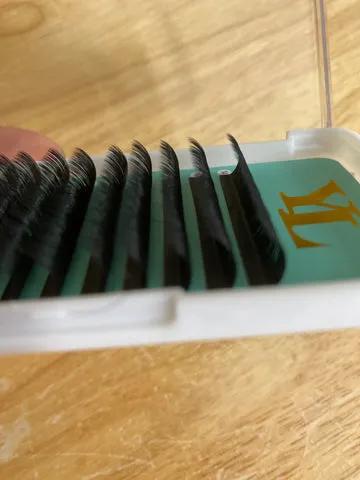
False eyelashes are an investment, and with proper care, they can be reused many times. But cleaning them incorrectly—or not at all—shortens their lifespan, damages the fibers, and can cause eye irritation or infection. False lashes accumulate mascara, adhesive residue, oils from the skin, and dust, all of which break down the materials and make the lashes look worn. Eyelash-specific cleaning solutions are formulated to remove this buildup gently without destroying the shape or curl of the lashes. This guide explains the best cleaning solutions, how to use them, and the practices that keep your false lashes looking fresh and lasting longer.
Why General Cleansers Aren't Enough
Regular makeup removers, soaps, and household cleaners are not designed for false lashes. Oil-based removers can degrade synthetic fibers and loosen the knots that hold lashes to the band. Harsh soaps can dry out natural hair lashes and strip the curl. Some cleansers leave a residue that makes future adhesive application difficult. Eyelash-specific cleaners are formulated to dissolve mascara and adhesive residue gently, without damaging the delicate fibers or the band. They are typically water-based, pH-balanced, and free from oils that could compromise the lashes.
Types of Cleaning Solutions
There are several types of lash cleaning solutions available. Liquid cleansers are the most common; they are applied to the lashes with a cotton swab or spray bottle and rinsed with water. Foam cleansers are gentle and easy to apply, using a pump to dispense a light foam that lifts debris without soaking the lashes. Brush cleansers are designed specifically for cleaning lash bands and removing adhesive residue with a soft brush. Some solutions come in a pen format for spot cleaning. The best option depends on the type of lashes and the amount of buildup.
Best Practices for Cleaning Strip Lashes
To clean strip lashes, start by gently removing any adhesive residue from the band with tweezers. Apply a small amount of lash cleanser to a cotton swab and gently wipe along the band and fibers. For heavier buildup, use a soft brush or a lash comb to work the cleanser through the lashes. Avoid soaking the lashes, as this can loosen the knots and distort the shape. Rinse with a small amount of water or wipe with a damp cloth, then lay the lashes flat to dry on a clean towel. Brush gently with a spoolie to restore the shape. Store in a lash case once fully dry.
Cleaning Individual and Cluster Lashes
Individual and cluster lashes require a gentler approach because they are more delicate and prone to bending. Apply a small amount of cleanser to a cotton swab and gently wipe the fibers and base. Avoid pulling or tugging. Rinse with a damp cloth and lay flat to dry. Once dry, organize them in a small container or on a lash palette. Using high-quality cleansers from a lash extension supplier ensures the products are safe and effective for delicate lash materials.
Choosing the Right Cleaning Solution
Look for cleansers that are specifically formulated for false lashes and extensions. They should be oil-free, gentle, and free from harsh chemicals. Some solutions also contain conditioning ingredients that help maintain the softness of the fibers. Avoid cleansers with alcohol, which can dry out lashes, and strong fragrances, which can irritate the eyes. Many professional-grade cleansers are available from a best eyelash extension supplier and are used in salons for cleaning both natural and false lashes.
Extending the Lifespan of Your Lashes
Proper cleaning is the foundation of lash longevity, but it works best alongside other good habits. Remove lashes gently after each use, taking care not to pull or stretch the band. Store lashes in a hard case to protect them from being crushed. Avoid applying mascara directly to the lashes whenever possible—instead, apply mascara to natural lashes before placing the false lashes. If you do apply mascara to the lashes, clean them immediately after use to prevent buildup. Rotate your lashes to prevent overuse of a single pair, and replace them when they become worn or lose their shape.
Sanitizing Your Lashes
Cleaning removes visible debris, but sanitizing is also important to prevent bacterial growth. Some lash cleansers contain antibacterial properties that help sanitize the fibers. For professional use, especially in salons, it is essential to sanitize lashes and tools between clients. Using products from a high quality lash extension supplies provider ensures that your cleaning solutions meet professional hygiene standards.
Eyelash-specific cleaning solutions are essential for keeping false eyelashes clean, hygienic, and long-lasting. Choose a gentle, oil-free cleanser formulated for lash materials, and follow proper cleaning and drying techniques to preserve the shape and curl. Store lashes carefully and rotate your collection to maximize longevity. With the right cleaning routine and quality products from a trusted supplier, your false eyelashes can look fresh and beautiful for many uses—saving money and protecting your eye health in the process.